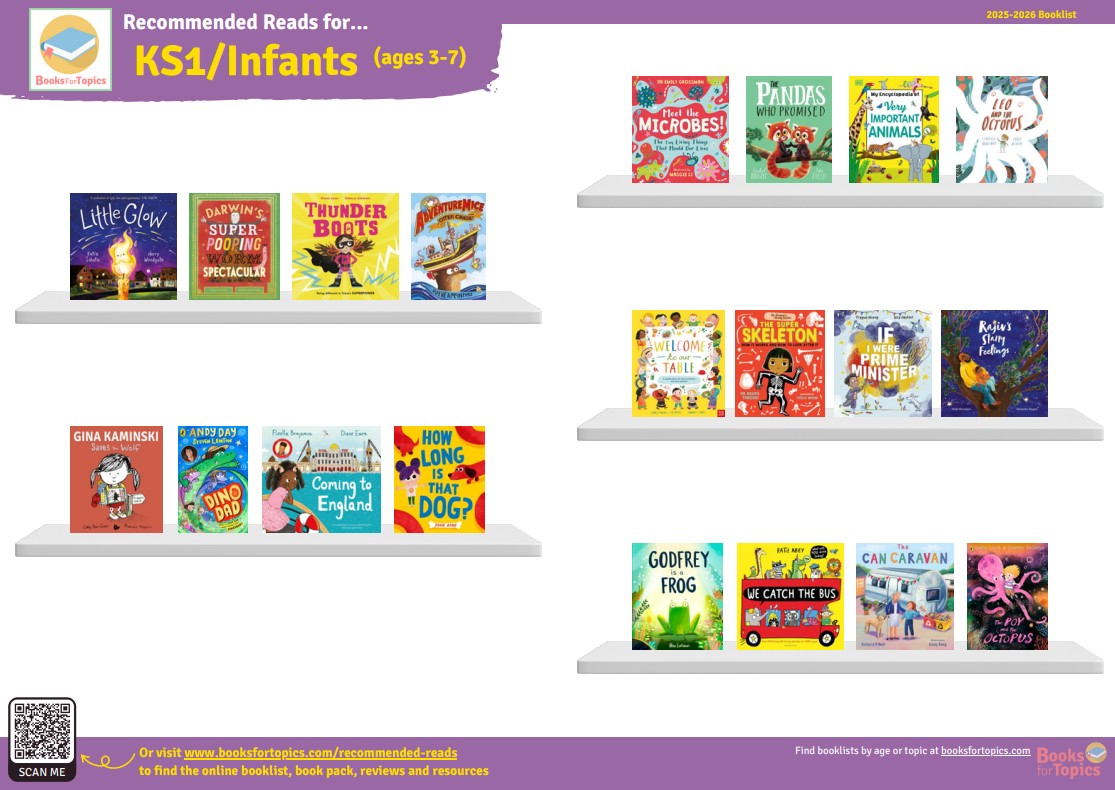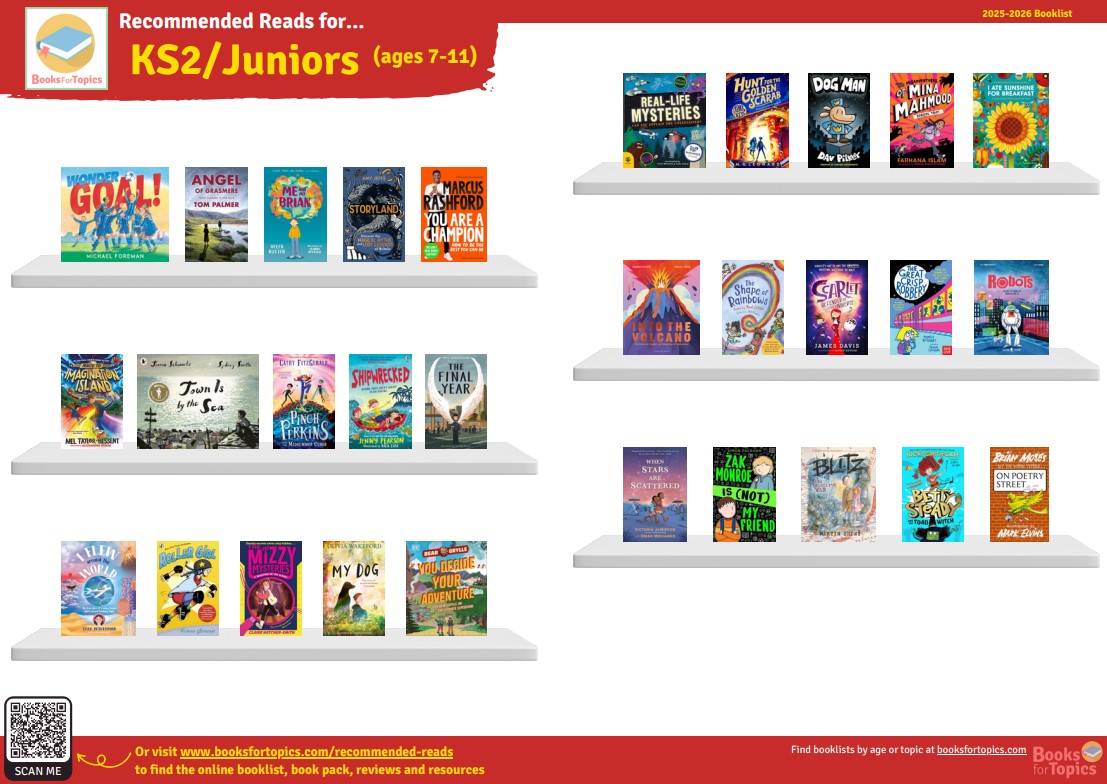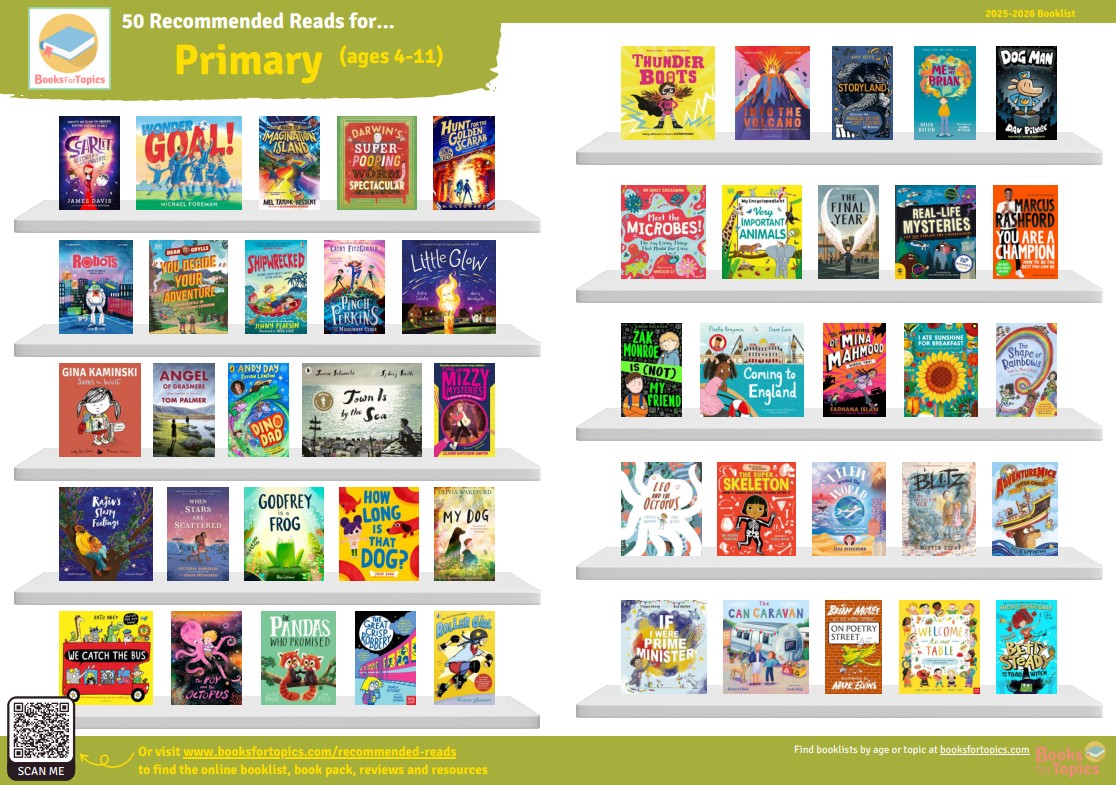


English
English INTENT statement
At Little Horsted Church of England Primary School, our vision - Live, Love, Learn in the Light of the Lord - guides an English curriculum rooted in kindness, love, aspiration, resilience, community and respect. We aim to create a rich language environment where every child becomes a confident reader, writer and speaker who enjoys and values language.
Through carefully planned teaching and assessment, we ensure all pupils experience high‑quality opportunities to hear, see, create and respond to language, in line with the Early Years Foundation Stage and the National Curriculum. We use diverse, exciting texts to nurture a lifelong love of reading, broaden pupils’ understanding of their community, and encourage respect for different voices and experiences.
Our curriculum supports children to develop aspiration and resilience as they tackle new vocabulary, explore varied writing styles, and learn to communicate with confidence and purpose. We aim to help every child use language to show kindness, think deeply, express themselves clearly, and make a positive contribution to the world around them as they Live, Love and Learn in the Light of the Lord.
“The overarching aim for English in the national curriculum is to promote high standards of language and literacy by equipping pupils with a strong command of the spoken and written word, and to develop their love of literature through widespread reading for enjoyment.” – National Curriculum 2014
English curriculum
English curriculum mapPhonics
Our DFE-validated, complete systematic Phonics scheme, Little Wandle Letters and Sounds revised, is delivered daily to all children Reception to Y2. This daily quality-first Phonics teaching follows a consistent teaching sequence, which is based upon the review, teach, practice, apply and review approach. This is supplemented with a variety of resources to ensure children’s phonic attainment allows them to become fluent readers as they progress through Early Years and Key Stage 1.
Please see our separate page for more information about Phonics.
Reading VIPERS
At Little Horsted, we want to encourage a love of reading and books. We teach children a variety of reading strategies including phonics, whole-word recognition and reading for meaning.
We teach reading comprehension skills using VIPERS questions.
What are VIPERS?
VIPERS is an acronym to aid the recall of the 6 reading domains as part of the UK’s reading curriculum. They are the key areas which we feel children need to know and understand in order to improve their comprehension of texts.
VIPERS stands for
Vocabulary
Inference
Prediction
Explanation
Retrieval
Sequence (KS1) or Summarise (KS2)
The 6 domains focus on the comprehension aspect of reading and not the mechanics: decoding, fluency, prosody etc. This is covered in our early reading scheme, Little Wandle.
If you would like more information on the type of VIPERS questions you can ask your child when listening to them read, please click on the links below:
KS1 VIPERS questions KS2 VIPERS questions
Useful resources